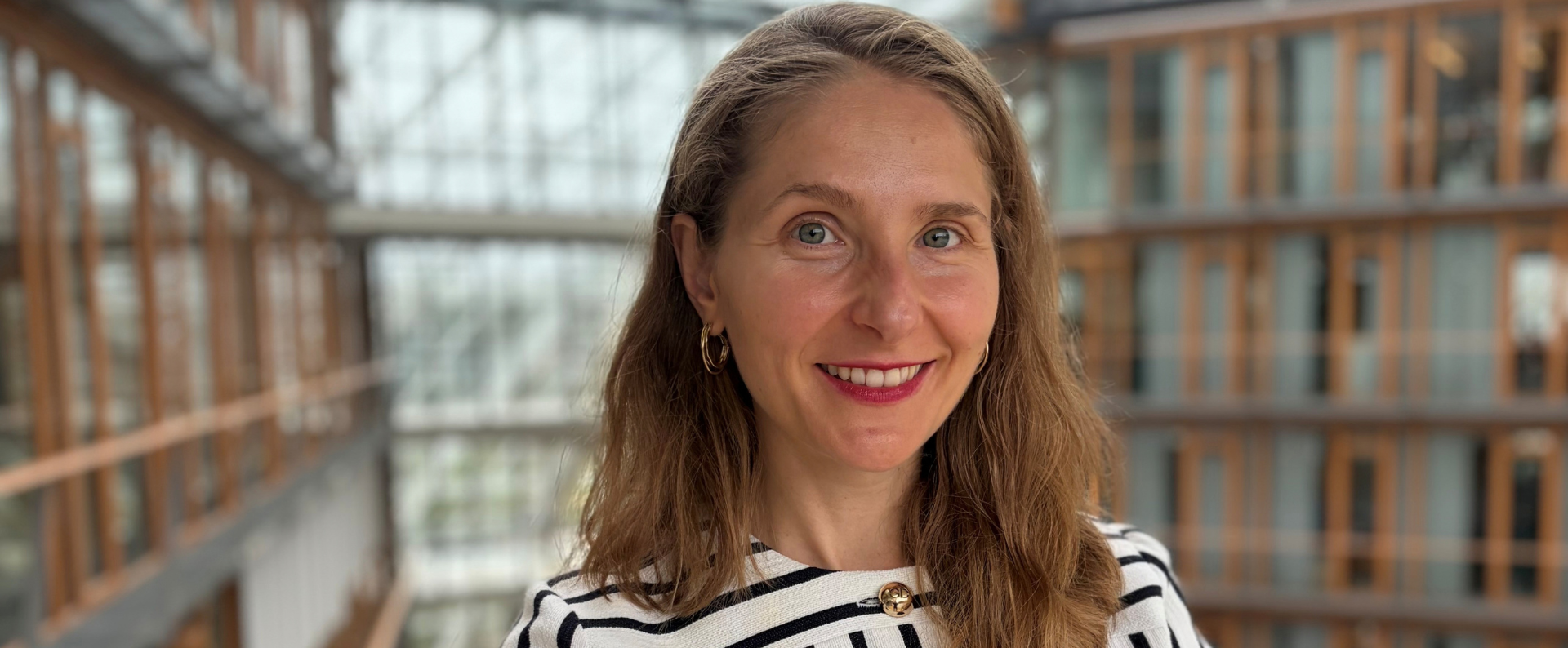

How Uplift360 raised funds for dual-use innovation
CEO Sam Staincliffe on securing capital, choosing Luxembourg as headquarters and scaling a circular economy startup with European ambitions.
 Startup Luxembourg
20/05/2026
Luxembourg-based clean-tech company Uplift360 develops advanced material technologies that extract high value resources from military and industrial waste for use across defence and civilian sectors. Operating at the intersection of this dual-use innovation and circular economy, the company applies cleantech principles to secure critical material supply chains.
From defence operations to circular economy innovation
CEO Sam Staincliffe and her co-founder and COO Jamie Meighan have extensive defence experience. Across their careers, they observed fragile supply chains, valuable materials destroyed at end of life and Europe’s growing dependency on external resources.
These observations prompted a fundamental shift in perspective. Rather than accepting waste as inevitable, the founders reframed it as a strategic asset for Europe's resource independence. "Europe may not sit on large reserves of fossil fuels or rare earths, but what we are sitting on is an enormous amount of waste," says Ms Staincliffe. This insight became the foundation of Uplift360's circular economy model.
The startup focuses on extracting high value materials from that waste, including aramid recycling and resin removal, to support critical sectors such as defence, aerospace, automotive and energy. Materials such as aramid, used in bulletproof vests and aerospace composites, are traditionally difficult to recycle.
The UK Ministry of Defence backed the early development of the technology, funding new approaches to material recovery. Around a year later, Luxembourg’s Department of Defence joined, reinforcing the company’s long-term European ambition.
I like to think of Luxembourg as our strategic alignment home. There is no other nation that truly gets what we're doing like Luxembourg does.”
Sam Staincliffe
Luxembourg’s strength in advanced materials and its early focus on circular economy within defence made the alignment clear. After setting up a Luxembourg subsidiary in 2022, the originally UK-based startup decided to relocate its headquarters to the Grand Duchy.
Fundraising lessons: from angels to seed rounds
Uplift360’s first funding came from angel investors and small investment groups rather than institutional capital. “Those first investment activities were targeted conversations with the right people to give us the cash we needed,” says Ms Staincliffe. “In most instances, it was about enabling us to access grant funding”.
As the company matured, the team prepared a structured pre-seed fundraise with a clear story, forecasts and development roadmap. Identifying the right investors, however, remained challenging. “At that time, nobody wanted to talk about defence,” Ms Staincliffe recalls. While Uplift360 clearly operated in cleantech and circular economy, its defence applications complicated the picture.
The first institutional term sheet introduced unfamiliar but standard venture capital terms. With advice from experienced mentors, the founders learned which elements were negotiable and which reflected market norms.
That learning curve required resilience. “As a founder you need an ability to be resilient, to constantly be told no and still go forward anyway,” as Ms Staincliffe reflects. Once the company moved beyond lab scale and demonstrated traction, fundraising discussions became more constructive.
Your life as a startup founder is one giant obstacle course. There is always another obstacle, whether it is funding, whether it's recruitment, whether it's the scaleup engineering in our world. It's just a consistent opportunity to create solutions.”
Sam Staincliffe
Why Luxembourg became Uplift360’s strategic home
Beyond funding, Luxembourg offered long-term clarity. Support from other founders, participation in Luxembourg’s leading startup accelerator programme Fit 4 Start and close collaboration with Luxinnovation helped Uplift360 navigate both fundraising and scaling.
Today, Luxembourg hosts the headquarters and key research activities, while the United Kingdom remains a specialist technology centre. This dual presence supports talent attraction and structured scaleup.
Luxembourg’s Defence Industry Strategy released in March 2026 confirmed this direction, highlighting circular economy, advanced materials and resource security as core priorities. “Luxembourg said years ago this was the direction it wanted to go, and it followed through,” says Ms Staincliffe, pointing to the consistency that gives founders confidence to build long term.
Uplift360’s journey shows how strategic fundraising, clear alignment and ecosystem support can help dual-use startups move from early experimentation to long-term European scale.