Priscilla Schelp on scaling European resilience tech
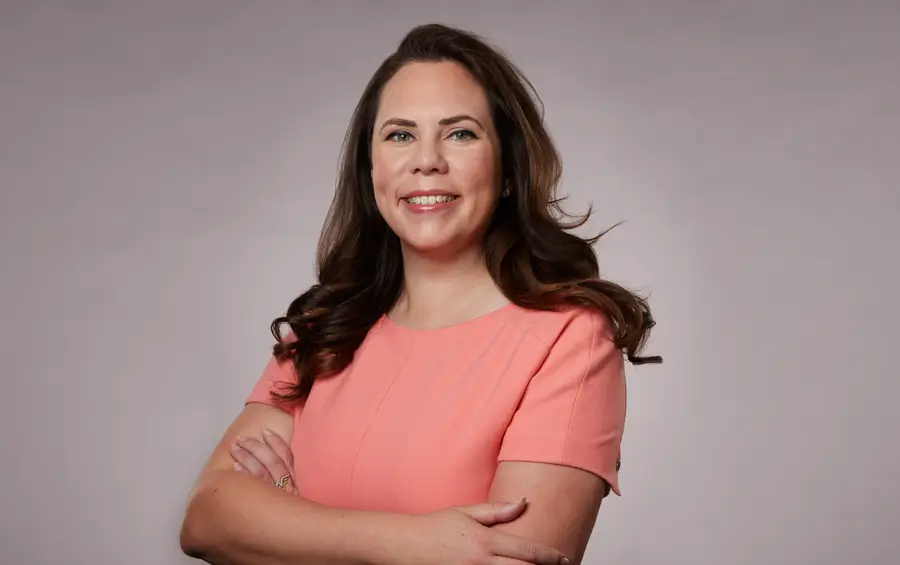
As co-founder and managing partner of the Global Resilience Innovation Fund, Dr. Priscilla Schelp discusses resilience technologies, funding gaps, and capital flows.
 Abigail Okorodus Okorodus
10/09/2026
When European tech companies mature, they often face a severe late-stage funding gap. This shortfall pushes them to accept funding from other parts of the world or risk failing entirely.
In order to address this issue, Dr Priscilla Schelp and her co-founders Dr. Sabine Hampel and Faik Yargucu decided to set up a Venture Capital fund that is also able to invest in later stage ventures. The four-person team combining both military experience, risk and crisis management, entrepreneurship and asset expertise founded the Global Resilience Innovation Fund (GRIF) focused on scaling resilience technologies. These are solutions designed to withstand, recover from, and adapt to disruptions or disasters.
Dr Schelp holds a PhD in supply chain risk and crisis management. She also worked international in the field at PwC and KPMG. She is an entrepreneur herself as founder and CEO of networkx GmbH, an agency specialising in community curation and discreet PR.
"If you have an entrepreneurial mindset, what do you do? You do not see issues; you see opportunities to build business models. We mapped out what was happening in the world, identified where the gaps were and figured out what was missing. We simply cannot expect startups to stay in Europe and die because they can't access late-stage capital here, so we stepped up."
Strengthening the resilience ecosystem
Building a resilience fund meant going beyond traditional defence. For Dr Schelp, it required addressing a much broader spectrum of societal risks. Her doctorate background helps her divide threats into natural disasters and man-made incidents. These range from floods and pandemics to cyberattacks and supply chain risks.
"We didn't want to focus solely on defence because our values and way of living are threatened by much more than that. Resilience incorporates climate risk, cybersecurity and supply chain security. There is also no defence without space, so we have a strong space and aviation angle. In the end, our aim across civil, dual-use and defence sectors is to safeguard."
This deep sector expertise shapes GRIF’s investment strategy across NATO and allied nations. Ticket sizes range from pre-seed to Series B and beyond, typically starting from €500,000. When evaluating defence and dual use companies, GRIF checks technical compatibility with military systems, assesses real operational need and evaluates who the military user is. Beyond capital, GRIF offers hands-on support. The team helps portfolio companies navigate complex military procurement pathways but also growth in the civil world.
Pushing forward without victimhood
Dr Schelp advocates for taking action and investing private capital to make Europe more resilient. Drawing from her experience bootstrapping her first startup on a tight budget, she understands the founder journey firsthand, making hands-on support for its portfolio companies, rather than just giving capital, a priority for the fund.
Moving from founder to managing partner was a natural next step for her, a way to shape tech from the investor seat rather than just the founder side. "There are two main ways to shape the world: political power or directing the flow of cash. Being an investor is one of the most practical ways to shape things in a positive and lasting way."
“Like my co-founder Faik said, so many of us complain nowadays about our world becoming less safe, which does not help and makes one unhappy. Either you contribute with your time or your money – or in our case with both. The best way to feel better about the world is doing something meaningful – and in ideal you earn money while doing so.”
Her advice for women who want to go into venture capital: "I don't believe in victimising ourselves as women. I know many women who are exceptional and have made it incredibly far. So can you."