
Inside Kidola's fundraising playbook
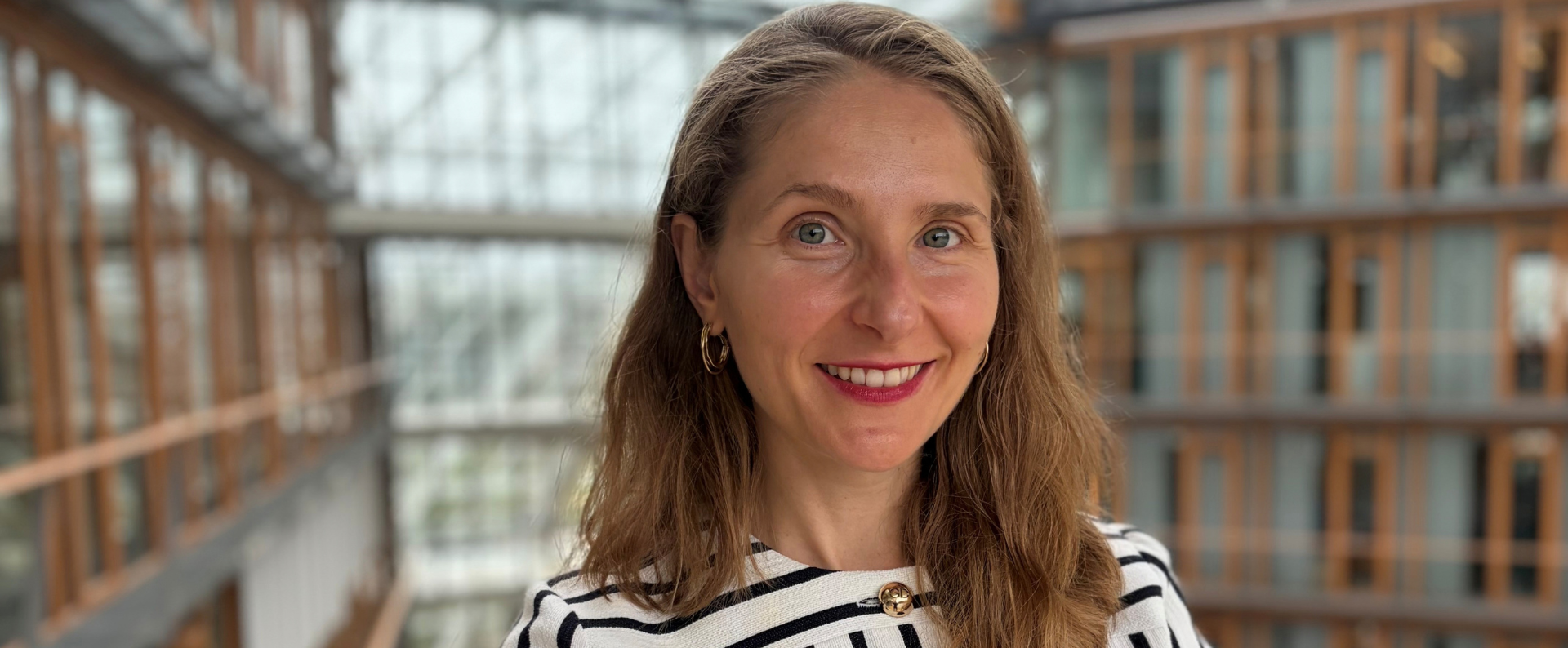
Quentin de Madre, co-founder of all-in-one childcare management platform Kidola, shares what it actually took to close a €1.3 million seed round, and the lessons other founders can borrow from it.
 Abigail Okorodus Okorodus
08/09/2026
Kidola, headquartered in Luxembourg, was lauched in 2020 by three new parents, Jonathan Kindermans, Quentin de Madre and Simon Lelorrain. The idea was simple: replace the paper logs and scattered updates most daycares still ran on with a single digital tool that made communication between parents and caregivers easier. Today the platform serves close to 2,000 daycares with more than 60,000 children across Luxembourg, France and Belgium, handling everything from daily logs of communication, attendance and activities to invoicing and reporting.
Getting there meant rethinking who Kidola was building for. “We realised early on that to build a sustainable business; we had to be more than a communication tool. We had to be a complete management solution, a vertical SaaS,” explains Mr de Madre. That repositioning changed the product and the pitch: roughly 80% of what Kidola builds today serves daycare managers directly, easing their day-to-day workload, with parents benefiting at the same time.
Grants and investments
One of Kidola's first funding came through Fit 4 Start, Luxembourg's leading startup acceleration programme, whose €50,000 grant at the time (now up to €150,000 of equity-free funding) proved to be a turning point for the company. One of the accelerator's own coaches liked the idea enough to invest personally and remains a Kidola investor today. Two more angel investors followed the same way. “It was pretty organic. We didn't have a process then,” says Mr de Madre.
By January 2023, with Kidola serving around 200 daycares and 15,000 parents at the time, the company raised €600,000 through Project Rise, a European investment initiative focused on Luxembourg companies.
We realised early on that to build a sustainable business; we had to be more than a communication tool.
Two years later came the round that changed the game: €1.3 million in seed funding led by Luxembourg-based venture capital firm, Expon Capital, with Super Capital and the Luxembourg Business Angel Network also participating. The fund is earmarked for product development, team growth and expansion into France.
Beyond the capital, he points to what having outside investors around the table changed inside the company. “They bring an external point of view that challenges your assumptions and holds the team to what it said it would deliver,” he mentions, a form of accountability that founders working alone rarely build for themselves
100 VCs and a €1.3 million close
“If you start talking to VCs about raising one, two million, and so on, it means things are getting really serious,” notes Mr de Madre. Rather than waiting for introductions, he built his own target list from scratch, pulling data from Crunchbase on venture firms that had recently backed European SaaS companies and filtering for fit on sector, stage and geography.
From there, the process ran like any sales pipeline: roughly 100 investors tracked through outreach, first contact and meetings. “You first talk to junior people, and then to more senior, and then to another key profile,” he says, working his way up inside each firm toward whoever could actually say yes.
The climb came with real emotional swings, and most of the setbacks had nothing to do with Kidola itself. “A venture firm might already have filled its one slot for a vertical SaaS company that year or might be shifting its whole strategy toward AI at exactly the same moment,” says Mr de Madre. “Sometimes you have high hopes, and then you realise, okay, this may not work out.”
His advice to founders preparing for their own raise is direct: research a firm's recent investments and stated focus before reaching out, and budget at least six months for the process. “It's going to be a gruelling process,” he says. “Don't take it too personally if you get rejected.
The hardest part of growth: learning to delegate
Ask Mr de Madre what founders heading into a similar growth phase should focus on, and money isn't the first thing he mentions. Management is. He describes delegation as a skill that gets harder, not easier, as a company expands. Early on, a founder can hand off tasks while keeping a full overview of the business. Add middle management, and that direct line of sight disappears, leaving founders who keep validating every decision themselves at risk of becoming the bottleneck.
“If you're still validating everything yourself, the company will never grow,” he says. His fix has been building deliberate systems and regular meetings that create space to think about strategy, instead of getting pulled into every operational detail.
What's next
Kidola is one of five companies selected for Fit 4 Scale, Luxembourg's programme for ambitious companies ready to scale across Europe, organised by Luxinnovation in collaboration with the Ministry of the Economy. The Kidola team remains based entirely in Luxembourg but targets further expansion into western European markets by 2027.
| The seed round, step by step |
|