A space biotech startup journey from lab to ISS mission
Exobiosphere co-founder Dr Olivia Borgue discusses her transition to startups, space biotech innovation and women in engineering.
 Startup Luxembourg
26/05/2026
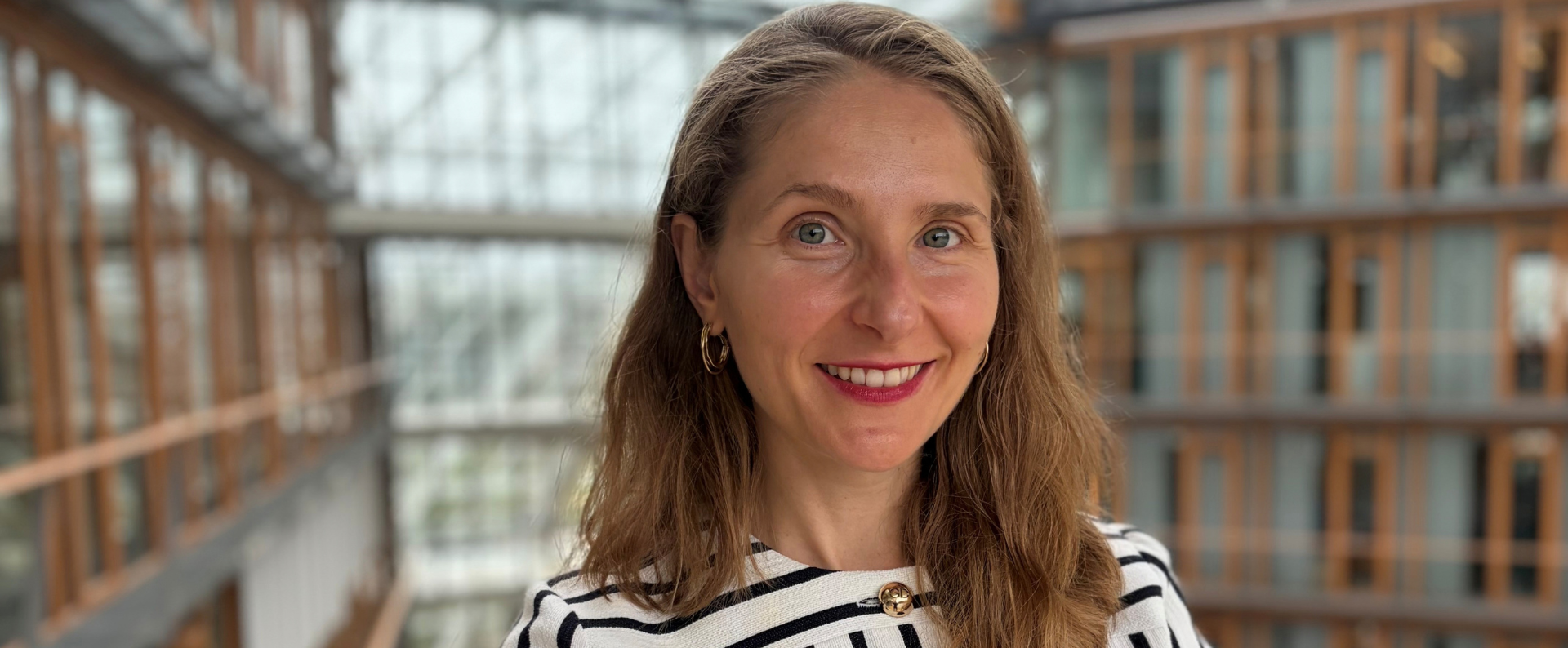
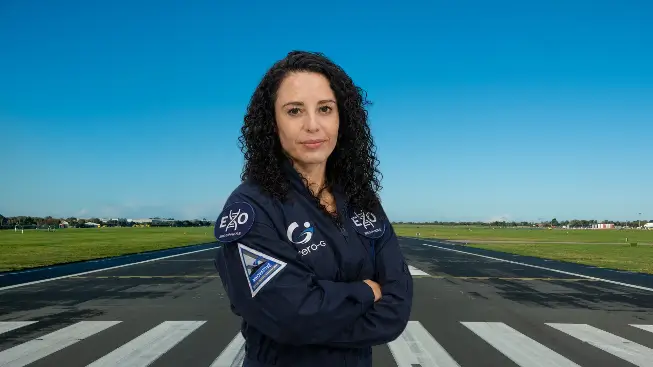
Dr Olivia Borgue, co-founder of Luxembourg-based space biotech startup Exobiosphere, did not initially plan to become an entrepreneur. With a background rooted in academia and space engineering, her journey into the startup world was shaped by a desire to move faster and create real-world applications in microgravity research.
That drive is now reflected in Exobiosphere’s work, developing large-scale, automated testing in space to create unique disease models in microgravity and bridge the gap between laboratory research and real-world clinical applications.
Choosing startups over academic research
During her PhD in Sweden, Dr Borgue experienced a model of academia closely linked to industry, where research could quickly translate into applications. This experience shaped her expectations of how science and innovation can interact. Later on, she found herself drawn towards environments where ideas could move more directly into implementation.
“I never saw myself working at a startup, but the pace of academia really got to me,” she explains. Startups offered a different dynamic, combining speed, ownership and the ability to turn ideas into tangible solutions.
Her path to founding Exobiosphere built on previous collaborations in the space sector. Together with her two co-founders, she realised that highly specialised, niche applications, such as lunar resource exploitation, would struggle to sustain a commercial business. The goal was to create something with a broader market potential. “We wanted to build something that can sustain itself commercially,” she says.
Dr Borgue also highlights the role of accelerator programmes in shaping the company’s early development. Participation in Luxembourg’s leading startup accelerator programme Fit 4 Start #15 in 2024 helped the team refine its business model and strengthen its market positioning. “It really helped us polish our business plan and make it more robust,” she says.
As the company progressed, further programmes such as the EY Startup World Cup Luxembourg and the Cedars-Sinai Accelerator provided more specialised support, from access to mentors to guidance on intellectual property, helping Exobiosphere prepare for its next stage of growth.
Gender diversity in space tech and engineering teams
Dr Borgue is clear-eyed about the structural imbalance in her field, particularly in engineering. “I do see a gender gap,” she says. This becomes especially visible in recruitment, where finding female engineers remains a challenge despite conscious efforts to create inclusive environments. “Nearly 95% of applications I get are from men,” she notes.
She also observes that building culturally diverse teams in Luxembourg is comparatively easier. While international profiles are readily available, attracting gender diversity in highly specialised engineering roles remains significantly more difficult.
For Dr Borgue, diversity is not simply a question of fairness but of performance. Mixed teams bring different perspectives and improve dynamics. “Women bring a different point of view, it is just better for the team,” she says, highlighting the importance of balance in high-pressure engineering environments.
Her message is pragmatic rather than idealistic. Increasing representation will take time, but visibility and persistence matter.
How complex challenges build confidence in tech leadership
At the core of Dr Borgue’s motivation is a strong sense of purpose rooted in the work itself and the team around her. “I like what I do, I like my team, that is what makes me come to work,” she says.
Engineering, especially in space and biotech, is inherently collaborative, as she explains.
You cannot develop anything meaningful on your own, you need a team pushing towards the same objective.”
Dr Olivia Borgue
This mindset extends beyond the workplace. As a licensed helicopter pilot, rescue diver and mountaineer, Dr Borgue actively seeks out complex, demanding environments. These experiences strengthen her ability to remain calm under pressure and build confidence in uncertain situations. “The more complex the things you do, the more confident you become,” she says.
Her advice to women considering a career in tech reflects this same pragmatism. Challenges will exist, but they should not be a deterrent. “You can definitely do it, you just need to prepare yourself.”
As Exobiosphere prepares for its first automated drug screening mission in orbit aboard the International Space Station (ISS), Dr Borgue remains focused on execution, building reliable technology, pushing boundaries and delivering results. It is a grounded, uncompromising approach that defines both her leadership and her journey in tech.
To learn more about Exobiosphere’s experience with Fit 4 Start, read the interview with Dr Borgue’s co-founder Kyle Acierno.