
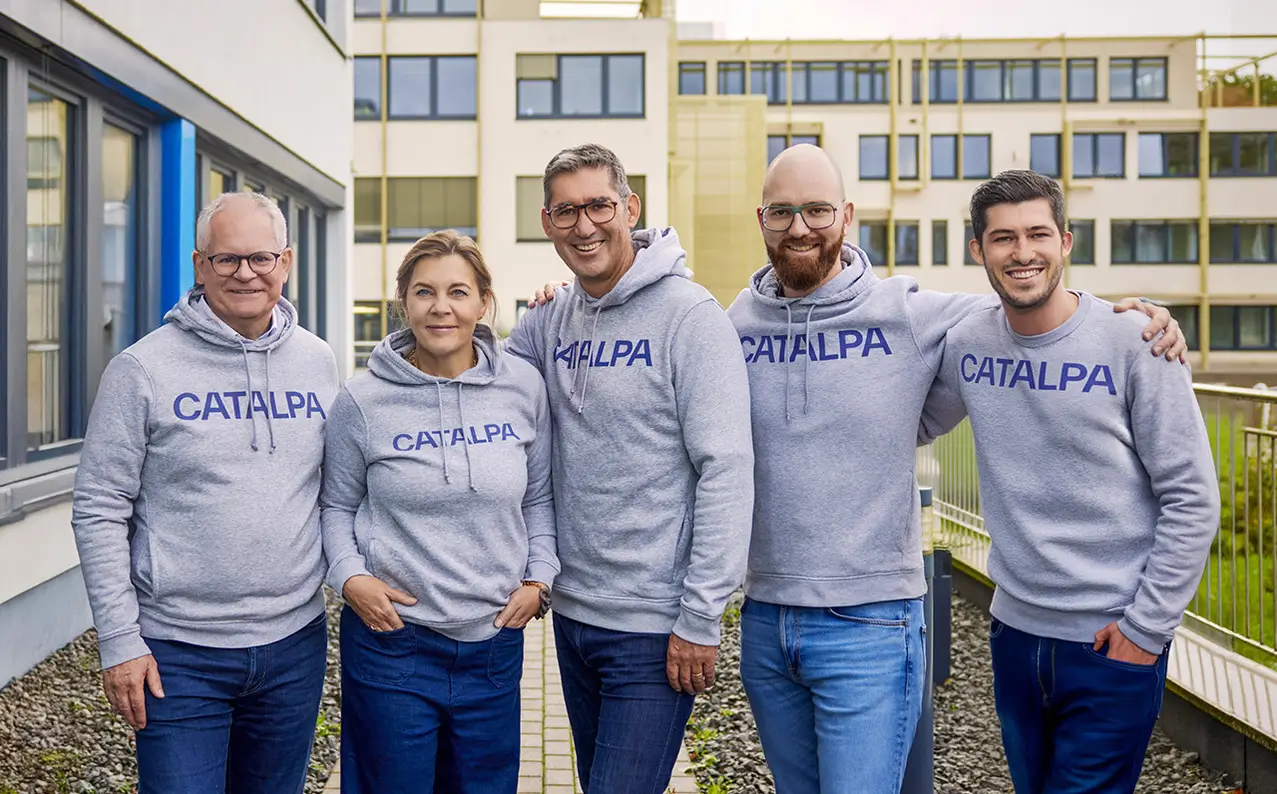
Catalpa raises €10m for its healthtech fund
Luxembourg-based Catalpa Ventures has successfully completed a first closing of €10 million for its new Catalpa Health Fund I.
09/12/2025
The firm has a target of raising €30 million by 2027 to support early-stage European healthtech startups. The fund will focus on investing in 15 to 20 companies in their pre-seed and seed stages. It plans to deploy tickets ranging from €300,000 to €1.5 million, with additional follow-on capacity for its strongest performers.
A focus on impact and scalability
Catalpa Ventures is targeting three major trends shaping the future of healthcare: demographic ageing, workforce shortages, and the need for cost containment. The firm aims to back innovations that can free up medical time, prevent complications, and make healthcare systems more sustainable.
Their investment strategy concentrates on scalable digital solutions. Approximately one-third of the portfolio will be dedicated to software that improves operational efficiency in healthcare settings. The other two-thirds will focus on clinically validated innovations, such as certified medical devices and telemedicine platforms. The firm does not invest in biotech or purely hardware-based medtech, as their model requires the potential for rapid scaling.
First investment and the Luxembourg advantage
The fund has already made its first investment in Noah Labs, a Berlin-based startup. Noah Labs is developing a remote cardiac-monitoring platform for heart-failure patients that uses vocal biomarkers to detect issues weeks earlier than standard clinical signs. The solution is a certified medical device that has already demonstrated a 30 percent reduction in hospital admissions for monitored patients.
According to Partner Thomas Goergen, locating the fund in Luxembourg was a strategic choice. He highlighted the country's fast-maturing health ecosystem, including a cooperation agreement with the Luxembourg Institute of Health (LIH). Goergen sees the Grand Duchy as a springboard for startups seeking to enter the European Union, leveraging national support instruments and the country's strong reputation for data sovereignty.